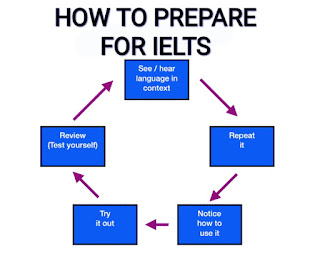
The Journey to IELTS Success Begins Here
The International English Language Testing System (IELTS) is more than just an exam—it is a life-changing gateway to studying abroad, building an international career, or starting a new life in an English-speaking country. However, the path to achieving your desired band score can feel overwhelming without a clear, structured roadmap. With thousands of candidates competing for limited university seats, visas, and job opportunities, a strong IELTS score is often the deciding factor that sets you apart from the crowd. The good news is that success in the IELTS exam is not a matter of luck or natural talent alone—it is the result of strategic preparation, consistent effort, and a deep understanding of the test's unique demands. This comprehensive guide is designed to be your ultimate companion, walking you through every stage of your IELTS preparation journey—from understanding the test format to mastering each section and walking into the exam hall with unshakable confidence.
Why Smart Preparation Matters More Than Hard Work
Many aspirants make the critical mistake of treating IELTS like a general English test, spending months on random vocabulary lists and grammar exercises without ever understanding the specific strategies that examiners actually reward. The truth is, IELTS is a skill-based exam with a predictable structure, question types, and assessment criteria that can be systematically mastered. Whether you are struggling with time management in the Reading section, organizing your ideas in Writing Task 2, maintaining fluency in Speaking, or catching every detail in the Listening test, targeted preparation makes all the difference. In this guide, we have curated a detailed, step-by-step approach covering everything from creating an effective study schedule and choosing the right preparation materials to simulating real test conditions and managing exam-day anxiety. By following these proven strategies, you will not only avoid common pitfalls but also maximize your score potential in the shortest possible time.
What This Complete Preparation Guide Covers
Whether you are a complete beginner taking IELTS for the first time or a repeat test-taker looking to improve your previous score, this article provides a comprehensive blueprint for success. We will begin by helping you understand the IELTS test format, setting realistic goals, and selecting the most effective study materials. From there, we dive deep into section-specific strategies—enhancing your listening skills with diverse accents, improving reading comprehension through skimming and scanning, developing coherent writing skills with structured feedback, and honing your speaking fluency through mock interviews and self-assessment. We also cover essential topics like time management, vocabulary building, grammar enhancement, and post-test analysis to ensure continuous improvement. By the time you finish reading, you will have a complete, actionable plan tailored to your individual strengths and weaknesses. Let us begin this transformative journey together and unlock your full potential.
Preparing for the IELTS (International English Language Testing System) exam requires careful planning and consistent effort. Here's a detailed guide on how to prepare effectively:
1. Understand the IELTS Format:
- Familiarize yourself with the IELTS test format, which includes four sections: Listening, Reading, Writing, and Speaking.
- Know the test duration, number of questions, and scoring criteria for each section.
2. Set Your Goals:
- Determine your target band score, which varies depending on your goals, such as immigration, study abroad, or employment.
3. Choose the Right Materials:
- Invest in official IELTS preparation materials like books, practice tests, and online resources. These are the most accurate representations of the test.
4. Create a Study Schedule:
- Develop a study plan that allocates time for each section of the test.
- Stick to a regular study schedule to build consistency.
5. Improve Your Listening Skills:
- Practice listening to a variety of accents and topics. Use podcasts, news broadcasts, and IELTS listening materials.
- Take notes while listening to identify key points.
6. Enhance Your Reading Skills:
- Read a variety of materials, including newspapers, magazines, and academic articles, to improve your reading comprehension.
- Practice skimming and scanning for specific information.
7. Develop Your Writing Skills:
- Practice writing essays and reports on different topics.
- Get feedback from a tutor or use online writing correction services.
8. Hone Your Speaking Skills:
- Engage in conversations with native English speakers or language partners.
- Record yourself speaking on various topics and assess your fluency, pronunciation, and coherence.
9. Take Practice Tests:
- Regularly take full-length IELTS practice tests under timed conditions.
- Analyze your mistakes and weaknesses to focus your study efforts.
10. Time Management:
- During practice tests, allocate the recommended time for each section to simulate the actual test conditions.
11. Grammar and Vocabulary:
- Work on improving your grammar and vocabulary skills, as they play a crucial role in the Writing and Speaking sections.
12. Simulate Test Day:
- Take several complete practice tests in the weeks leading up to your exam to get accustomed to the test environment.
13. Speaking Mock Tests:
- Practice speaking tests with a friend or tutor to simulate the Speaking section's format.
14. Test Strategies:
- Learn test-taking strategies for each section, such as how to guess when you're unsure and how to manage your time effectively.
15. Review and Reflect:
- Regularly review your progress and adjust your study plan accordingly.
- Reflect on your strengths and weaknesses to refine your focus.
16. Stay Calm and Confident:
- On the test day, get a good night's sleep and arrive early.
- Stay calm and confident during the exam, and follow the instructions carefully.
17. Post-Test Analysis:
- After the test, reflect on your performance and areas where you can improve for future attempts.
18. Consider Professional Help:
- If you're struggling with specific sections, consider enrolling in an IELTS preparation course or hiring a tutor.
Remember that consistent practice and dedication are key to success in the IELTS exam. Tailor your preparation to your individual strengths and weaknesses, and don't forget to take care of your overall well-being during this period. Good luck with your IELTS journey!
IELTS preparation starts with understanding the test format and your target score. Familiarize yourself with the four sections—Listening, Reading, Writing, and Speaking—by reviewing official resources from the British Council, IDP, or Cambridge English websites. Take a free practice test early to assess your current level and identify strengths and weaknesses. Set a realistic timeline, aiming for 6-12 weeks of study depending on your starting point, and register for the exam date that aligns with your goals.
Build a strong foundation in English skills through daily practice. Dedicate time each day to vocabulary building using apps like Quizlet or Anki, focusing on academic words from IELTS topics such as environment, education, and technology. Immerse yourself in English by listening to podcasts like BBC Learning English, reading articles from The Guardian or IELTS Liz, and watching TED Talks. Track progress with a study journal to note new words, grammar rules, and common errors.
Practice under timed conditions to simulate the real exam. Use official IELTS practice books like Cambridge IELTS series for full mock tests, completing one every week and reviewing mistakes thoroughly. For Writing Task 1 and 2, outline essays quickly and seek feedback from teachers or online platforms like IELTS Advantage. In Speaking, record yourself answering sample questions and compare to model answers to improve fluency, pronunciation, and coherence.
Finalize your preparation by refining test strategies and managing exam-day logistics. Learn techniques like skimming for Reading, predicting answers in Listening, and structuring responses in Writing. Get plenty of rest, eat well, and arrive early on test day with required ID. After the exam, reflect on what went well to build confidence for future goals.
Pro-Tip: The "Two-Hour Power Study" Method for IELTS Success
Most IELTS candidates make the mistake of studying for hours without a clear structure, leading to burnout and diminishing returns. Instead of marathon sessions, implement the "Two-Hour Power Study" Method—a highly focused, distraction-free routine that maximizes retention and skill development. Divide your 120 minutes as follows: Minutes 0-30: Warm-up with vocabulary building using flashcards or topic-specific word lists (e.g., environment, health, technology). Minutes 31-60: Skill drill—dedicate this block to one specific section, such as practicing True/False/Not Given questions in Reading or brainstorming essay structures for Writing Task 2. Minutes 61-90: Active practice—attempt a timed sub-section, such as one Listening passage or one Writing Task 1. Minutes 91-120: Review and analyze—go through your answers, identify mistakes, note down new vocabulary, and understand why you got certain questions wrong. This structured approach ensures that every minute of your preparation is purposeful and productive. Combine this with one full-length mock test every weekend, and you will see significant improvement within just 4-6 weeks. Remember, in IELTS preparation, quality always trumps quantity—study smarter, not harder.
WhatsApp your coach for further guidance and a Result Oriented coaching mechanism.